

This outflow of cash would also lead to a reduction in the retained earnings of the company as dividends are paid out of retained earnings. While paying dividends can be beneficial for shareholders, it can be harmful to the company’s long-term prospects. It may be difficult for a company to expand and grow if it is constantly paying out dividends. As a result, it is essential for businesses to carefully consider whether paying dividends is the right decision. If a company made net losses, you would take it away from the previous period’s retained earnings. As there is no profit, it would be expected to pay no dividends to shareholders.
Common Pitfalls and Best Practices
- For example, if the dividends a company distributed were actually greater than retained earnings balance, it could make sense to see a negative balance.
- These earnings are considered “retained” because they have not been distributed to shareholders as dividends but have instead been kept by the company for future use.
- Retained earnings capture the cumulative profits that a company has elected to keep within the business rather than distribute to owners, shareholders, or other stakeholders.
- Create and send invoices, track payments, and manage your business — all in one place.
- Once found, subtract it because they are the outgoing cash, which you will neither keep with you nor reinvest for business expansion.
Not sure where to start or which accounting service fits your needs? Our team is ready to learn about your business and guide you to the right solution. With plans starting at $15 a month, FreshBooks is well-suited for freelancers, solopreneurs, and small-business owners alike. Many small businesses aim for 0.5–1.5, but the right level depends on your industry, earnings stability, and growth plans.
- A net income surplus will result in more money allocated to retained earnings after funds are put towards debt repayments, investments, and dividends.
- However, if you determine that you can’t achieve a sufficient return on these retained earnings, you might choose to distribute them as dividends or conduct share buybacks to reward your shareholders.
- The cash flow statement doesn’t include all the elements needed to calculate retained earnings.
- Retained earnings, also known as Member Capitol, can be found in the Equity section of your balance sheet under the heading Shareholder’s Equity.
- When you can’t see the forest for the trees, it’s handy to have a lumberjack around.
- There are numerous factors to consider to accurately interpret a company’s historical retained earnings.
Get started today with your tax questions for free! No risk, no commitment, just expert tax advice at your fingertips.
- As a result, it is essential for businesses to carefully consider whether paying dividends is the right decision.
- Retained earnings can be found on the right side of a balance sheet, alongside liabilities and shareholder equity.
- On the other hand, the stock payment transfers part of the retained earnings to common stock.
- Retained Earnings are reported on the balance sheet under the shareholder’s equity section at the end of each accounting period.
- Scenario 1 – Bright Ideas Co. starts a new accounting period with $200,000 in retained earnings.
- Retained earnings are the profits your company keeps instead of giving them away as dividends.
Beyond this, retained earnings are also a useful figure for linking the income statement and balance sheet. There can be cases where a company may have a negative retained earnings balance. This is the case where the company has incurred how to calculate retained earnings more net losses than profits to date or has paid out more dividends than what it had in the retained earnings account.
How to Read (and Understand) an Income Statement
From that day forward, Dave faithfully held back a percentage of even the smallest net profit as retained earnings. Finance leaders can leverage retained earnings to secure funding, inform goal-aligned investments, and achieve sustainable growth. Retained earnings are the amount a company gains after the taxation of its net income.

Once you have the two subtotals, add them together, and enter the total at the bottom of the assets section. Net income accounts for all operating and non-operating expenses, while gross profit only subtracts direct production costs. Business lifecycle and industry norms also affect how much companies retain. Startups typically reinvest most profits, while mature companies might distribute more dividends.

A slipshod spend management system hamstrings finance teams’ ability to gauge cash flow and keep costs down. It can also stymie efforts to stay on top of the business’ overall financial health. Rippling expense management software also gives you real-time visibility over purchasing patterns for simplified budgeting and forecasting. While you might need to refer to multiple financial documents, the process of calculating retained earnings is generally straightforward. Just be sure you have your company’s most recent balance sheet and income statement ready before you begin.

Are Retained Earnings an Asset or Equity?

Here we can see the beginning balance of its retained earnings (shown as reinvested earnings), the net income for the period, and the dividends distributed to shareholders in the period. Retained earnings are the portion of a company’s historic profit that is ‘reinvested’ or ‘retained’, rather than distributed to shareholders as dividend. These earnings represent a crucial source of internal financing for business growth, debt reduction, and operational needs. The retained earnings definition encompasses both accumulated profits and losses since the company’s inception. https://www.bookstime.com/ Retained earnings are the portion of net income that a company keeps instead of paying out as dividends.
Are retained earnings a type of equity?
- A statement of retained earnings statement is a type of financial statement that shows the earnings the company has kept (i.e., retained) over a period of time.
- This is known as stock dividends, as they issue common shares to existing common stockholders.
- Revenue and retained earnings are crucial for evaluating a company’s financial health.
- The debt to equity ratio is a simple but powerful snapshot of financial leverage.
- This section shows your company’s total net worth by listing all the items that make up its value – assets and liabilities included.
- Thus, any item that leads to an increase or decrease in the net income would impact the retained earnings balance.
- So, while the number of shares goes up, the value per share goes down, but it doesn’t mess with your balance sheet’s size.
In the long run, such initiatives may lead to better returns for company shareholders, rather than those gained from dividend payouts. Paying off high-interest debt also may be preferred by both management and shareholders, instead of dividend payments. At the end of the period, you can calculate your final Retained Earnings balance for the balance sheet by taking the beginning period, adding any net income or net loss, and subtracting any dividends. Retained earnings (RE) is the cumulative net income that has not been paid out as dividends but instead has been reinvested in the business. For example, businesses can use these earnings to reinvest into the company for expansion through the purchase of property, plant and equipment or to pay off its debts.
How do you calculate retained earnings?
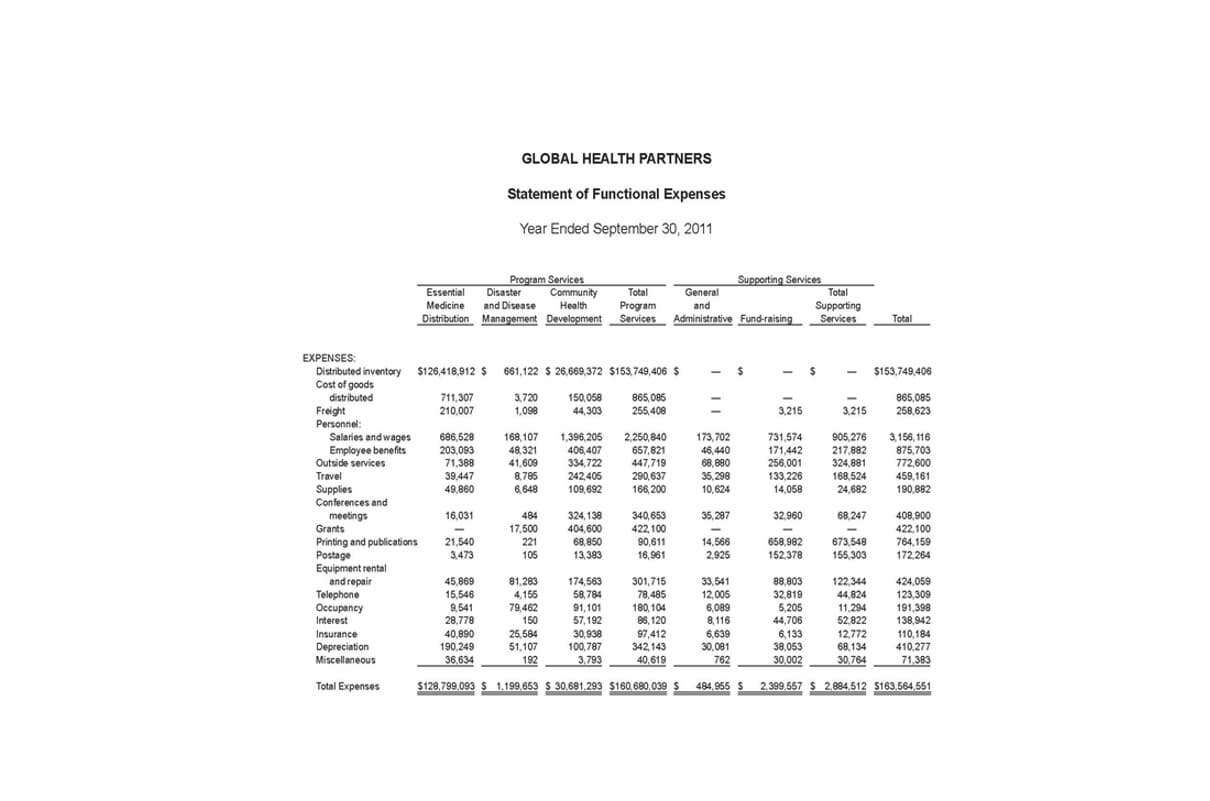
The Retained Earnings account can be negative due to large, cumulative net losses. So the retained earnings calculation is one indicator of a business’s financial health, but it isn’t the whole story. You’ll need an income statement (or a revenue and expense report) that covers the beginning to the end of the reporting period. For the month of April, this means a report covering April 1 to 30. The double declining balance depreciation method formal structure is presented below, but that’s the gist of it.